
Global Push: UN Deploys Marrakech Framework to Tackle Global Child Labor Crisis
NEW YORK — As the international community prepares to observe the World Day Against Child Labour on June 12, the United Nations has issued a stark, uncompromising warning to member states: global economic progress is actively stalling out on the backs of exploited children. New consolidated humanitarian data reveals that an estimated 138 million children remain trapped in systemic child labor worldwide. Even more alarming is the revelation that nearly 54 million of these minors are forced into “hazardous child labor”—operating in environments that directly jeopardize their physical, mental, and developmental safety.
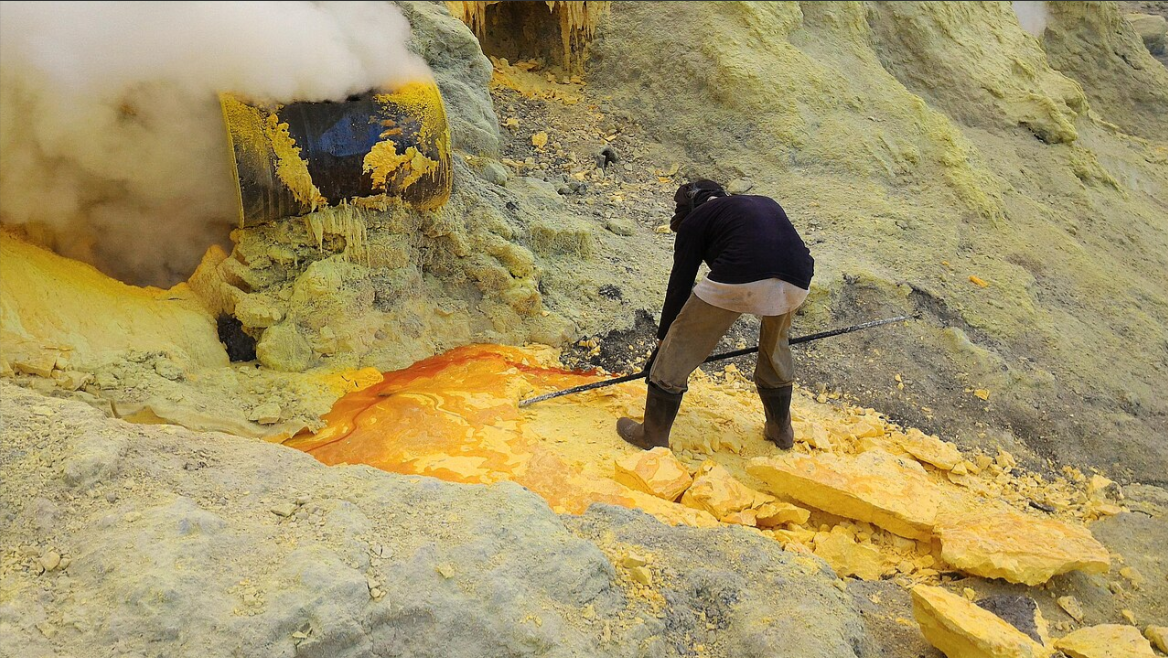
From the dust-choked air of open-air stone quarries in South Asia to the dark, toxic shafts of artisanal cobalt mines in Central Africa, youth exploitation has steadily worsened due to recent global economic shocks and supply chain disruptions. In response to this compounding crisis, the UN and its affiliate labor organizations have launched an aggressive rollout of the Marrakech Global Framework for Action against Child Labour.
Unlike historical international declarations that relied entirely on voluntary compliance and vague timeline goals, the Marrakech Framework introduces rigid, binding accountability metrics. Under this framework, participating member nations are legally required to submit localized data to independent corporate supply-chain auditors, effectively penalizing multinational companies that profit from indirect child exploitation at the base of their sourcing networks.
The core philosophy of the framework targets the root economic cause of the crisis: adult poverty. UN labor experts have long argued that child labor is rarely a cultural choice; it is an agonizing survival mechanism for families facing absolute financial collapse. Therefore, the Marrakech initiative shifts funding away from temporary rescue raids and focuses heavily on structural stabilization pillars.
The program mandates three non-negotiable domestic policy shifts for participating nations:
- Universal Educational Access: Guaranteeing completely free, safe, and high-quality primary and lower-secondary education, coupled with subsidized school meal programs to incentivize attendance.
- Social Protection Safety Nets: Implementing direct municipal cash-transfer systems to vulnerable families, ensuring they do not rely on a child’s meager daily wage to afford basic nutrition.
- Living-Wage Enforcement: Instituting strict domestic labor laws that protect adult workers, ensuring parents can earn enough to sustain a household independently.
International human rights scholars and global labor activists view the strict implementation of the Marrakech Framework as the most authentic, legally viable opportunity in a generation to dismantle deep-seated exploitation networks. By attacking the macroeconomic factors that push children out of school and into industrial quarries, the UN hopes to systematically transition millions of vulnerable youth out of hazardous job sites and back into safe, nurturing classrooms where they belong.



Leave a Reply